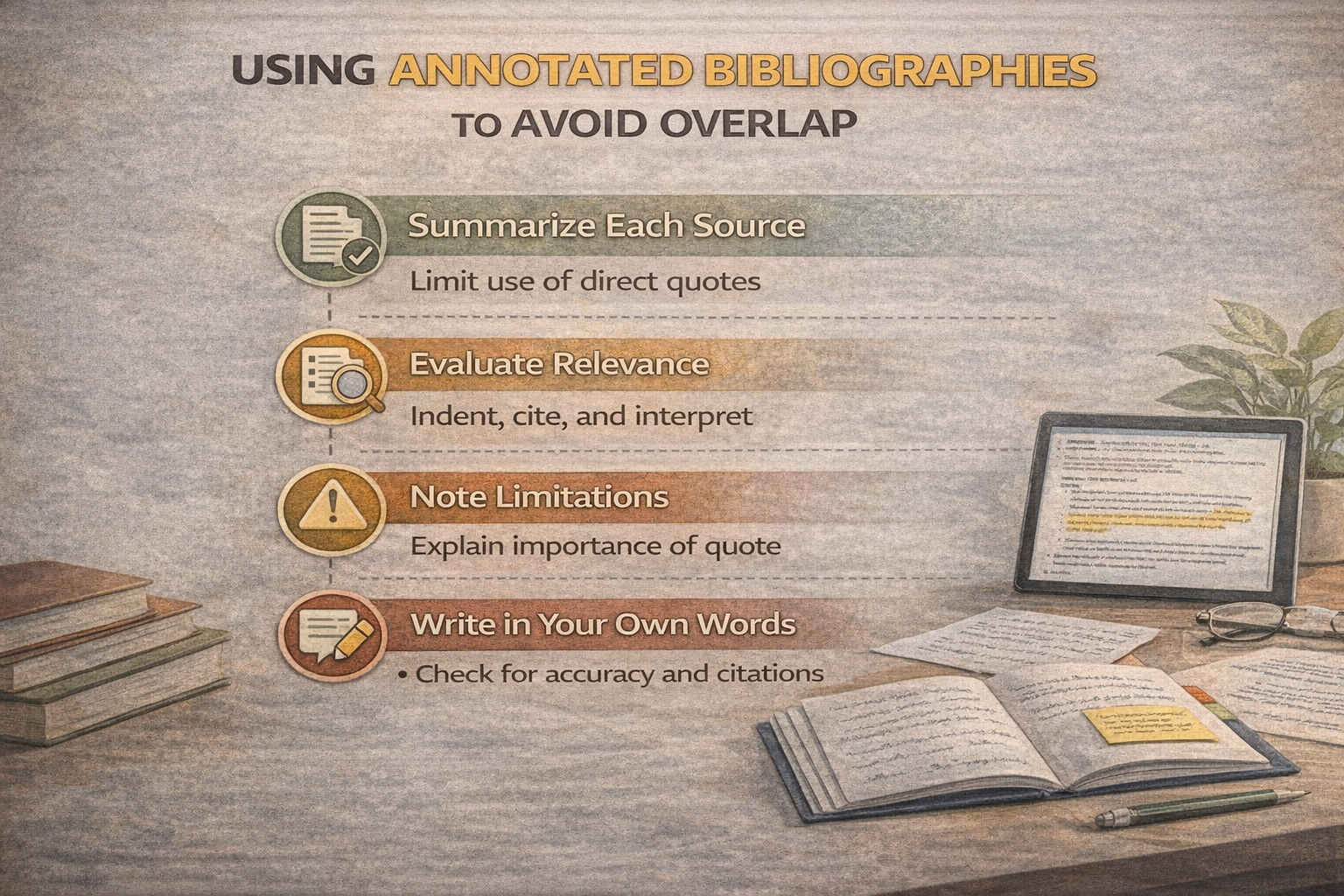
IntroductionFor PhD candidates in India, particularly those enrolled in private universities, avoiding content overlap is an important part of keeping similarity scores within UGC’s...
IntroductionFor many PhD candidates in India, the challenge of reducing plagiarism lies not in finding the right software or checking similarity scores, but in...
IntroductionPlagiarism detection tools are essential for maintaining academic integrity in Indian higher education, especially for PhD scholars in private universities. However, these tools are...
IntroductionIn Indian academia, plagiarism is treated as a serious academic offence, with strict consequences outlined by the University Grants Commission (UGC) and most private...
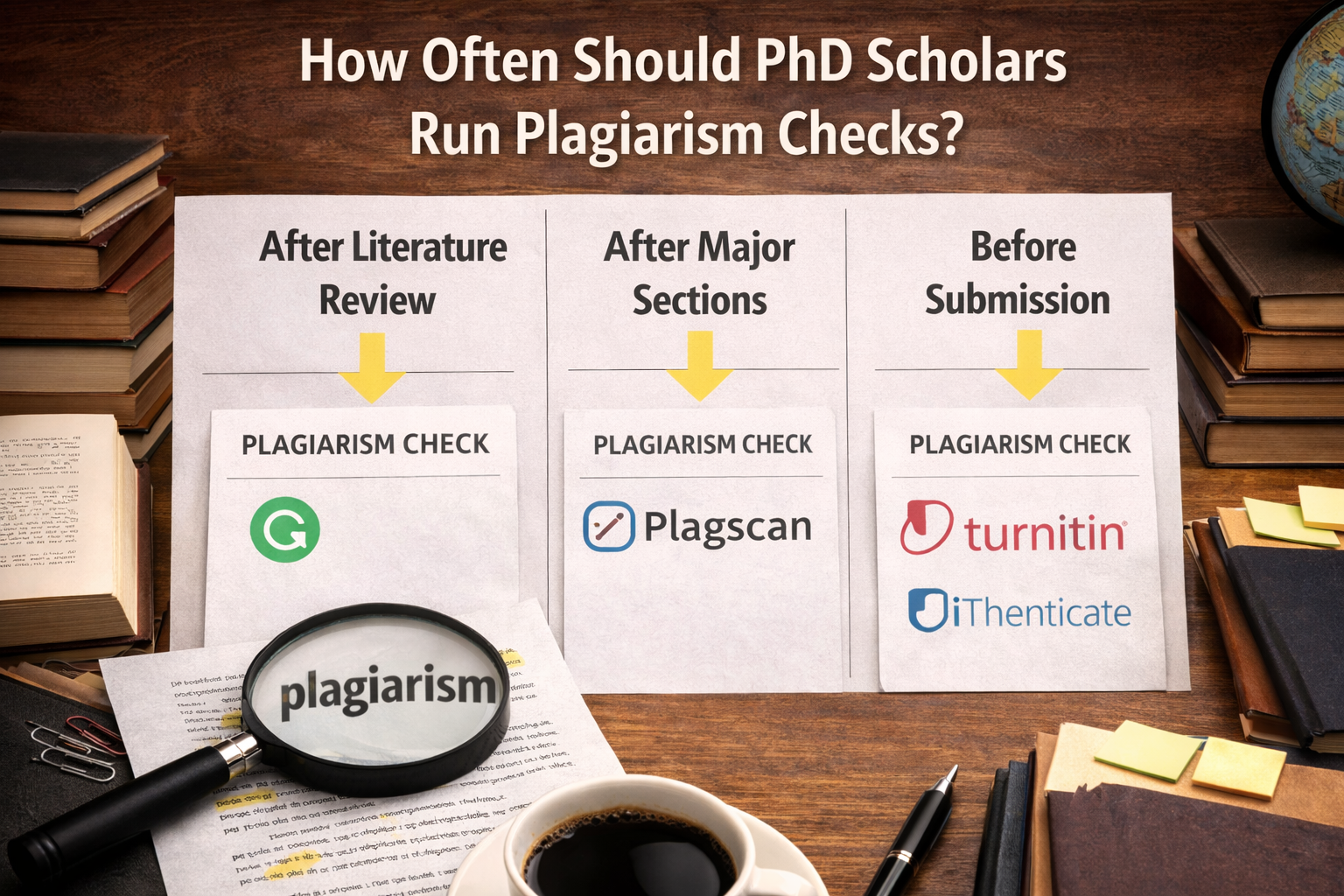
IntroductionFor Indian research scholars, ensuring plagiarism compliance is more than just a formality — it is a necessity for academic credibility. The University Grants...
IntroductionFor many Indian PhD scholars, rewriting is the first instinct when Turnitin shows a high similarity score. The logic feels straightforward—change the wording, adjust...
IntroductionThe rise of artificial intelligence (AI) writing tools like ChatGPT, Jasper, and Copy.ai has transformed how scholars create content. While these tools offer efficiency,...
IntroductionWhen we talk about plagiarism, many scholars assume it only means copying text word-for-word. In reality, plagiarism detection tools in Indian universities—especially in private...
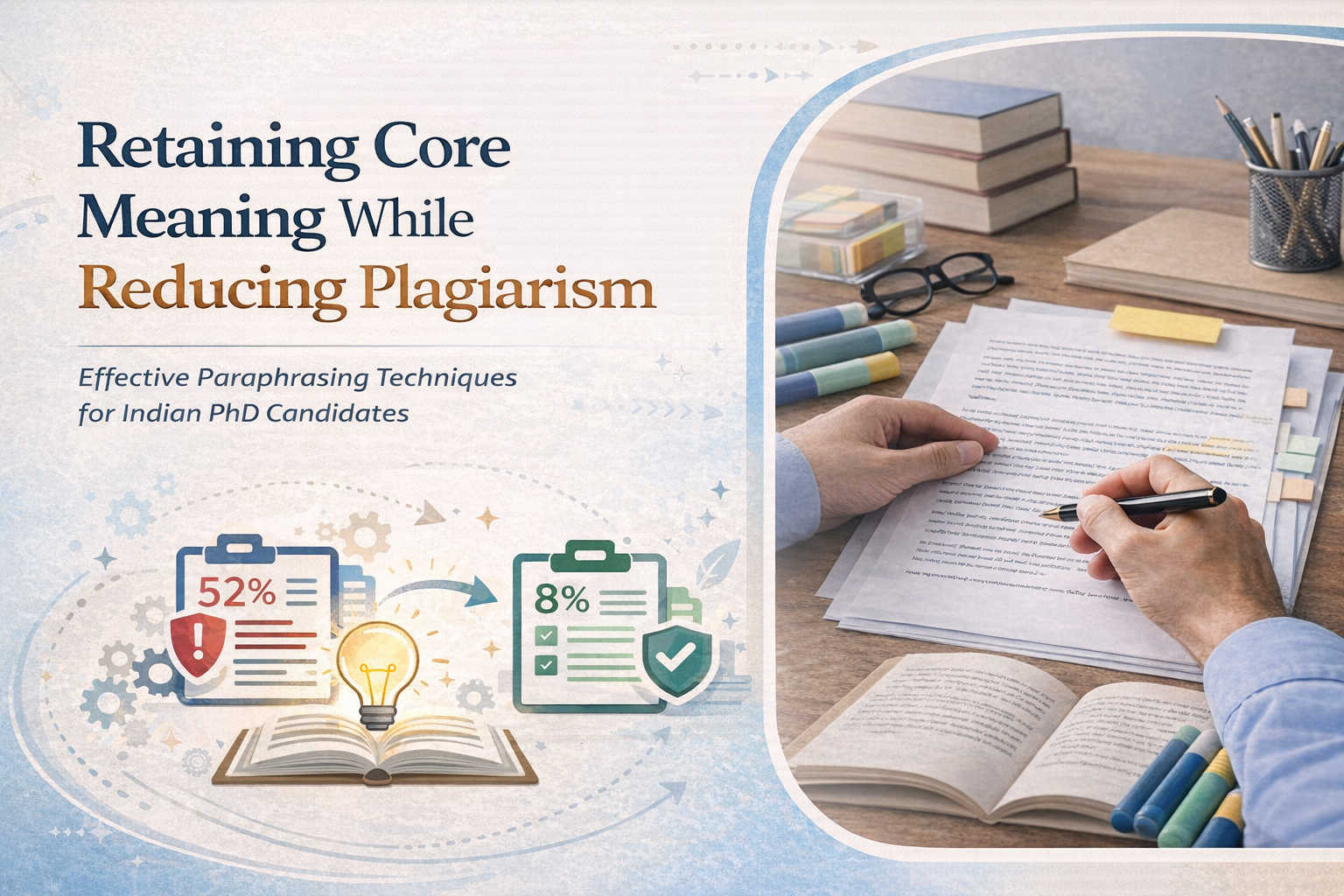
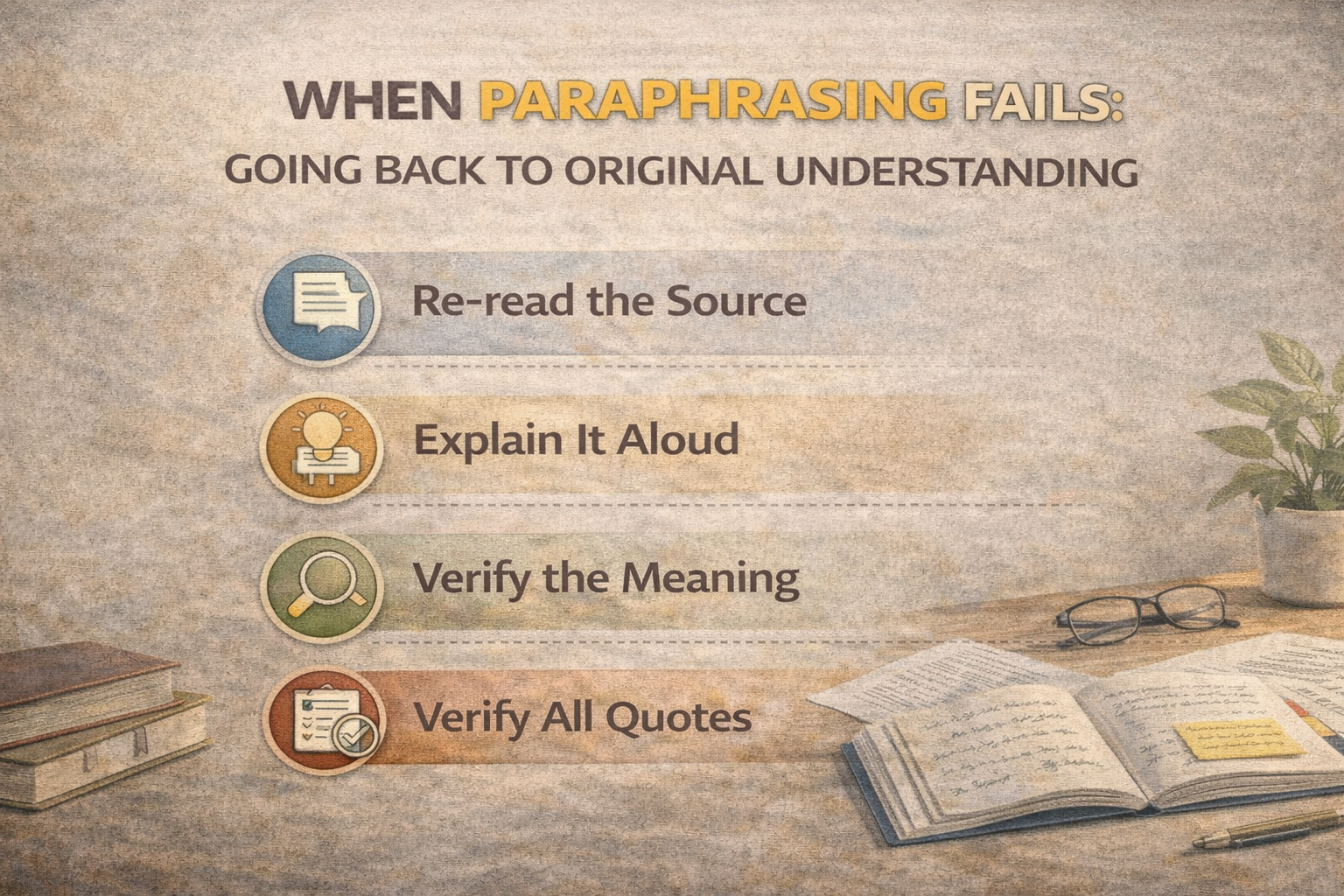
IntroductionParaphrasing is one of the most common strategies Indian PhD scholars use to bring down similarity scores and align with UGC plagiarism guidelines. In...
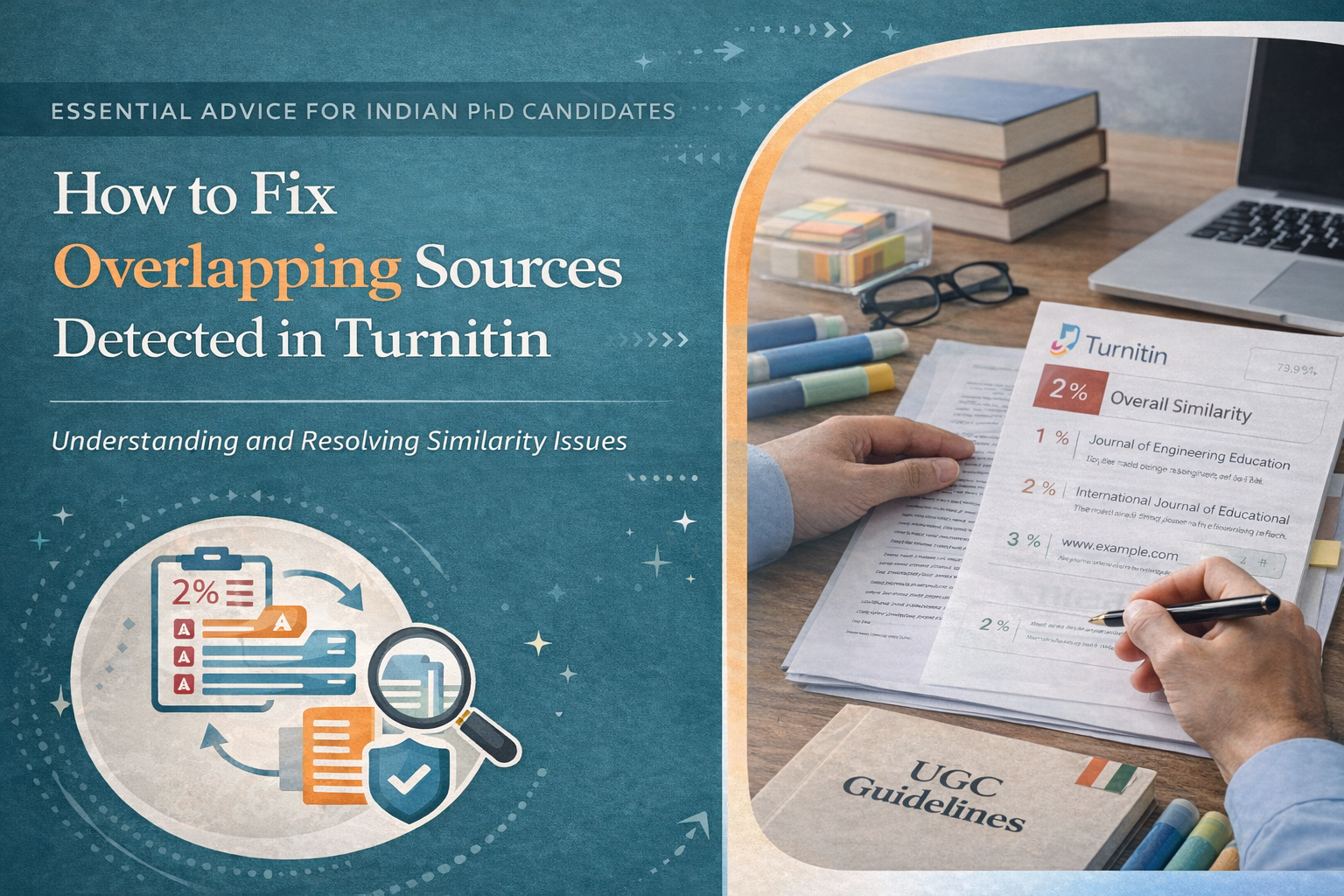
IntroductionFor many Indian PhD candidates, especially those pursuing a doctorate in private universities alongside full-time work, Turnitin reports can be both a relief and...