
Introduction
In India, plagiarism detection has become an essential step for every PhD thesis submission. The University Grants Commission (UGC) has mandated strict similarity limits, and universities—especially private ones—are required to use approved software for plagiarism checks. Among these, Urkund (now known as Ouriginal after a merger) continues to be one of the preferred tools for many Indian institutions. But why does Urkund remain relevant even when there are other advanced tools like Turnitin? The answer lies in its functionality, cost-effectiveness, and compliance with academic standards.
What is Urkund?
Urkund is a plagiarism detection tool designed for academic use. It works by comparing a submitted document with a vast database of:
- Academic publications
- Student theses and dissertations
- Web content from across the globe
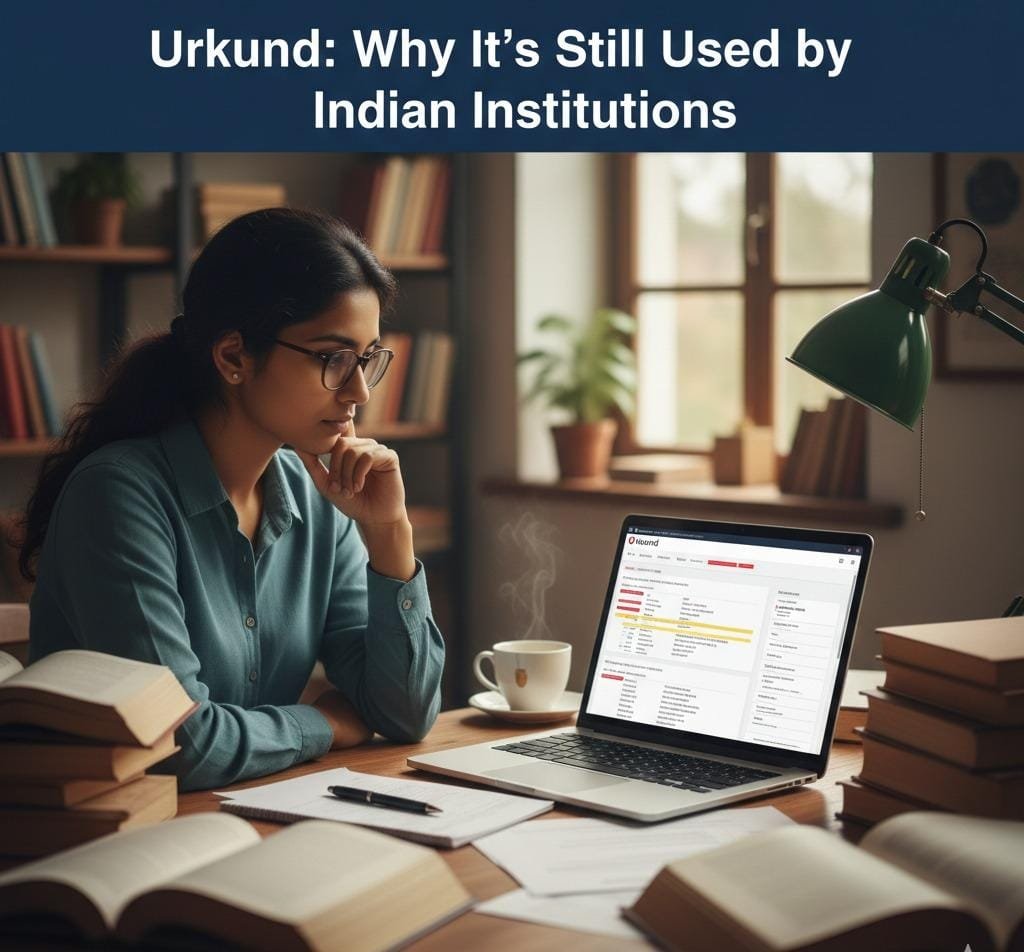
The software generates a similarity report, highlighting matched text and linking it to original sources. Its focus is on maintaining academic integrity, not just detecting copied content.
Why Indian Institutions Prefer Urkund
1. UGC Approval
One of the primary reasons Urkund is still used in India is its approval by the UGC. This means reports generated by Urkund are officially valid for thesis submission under UGC guidelines. For private universities, this is non-negotiable—an unapproved tool’s report will not be accepted.
2. Cost-Effectiveness
Compared to some high-cost tools like Turnitin, Urkund offers competitive pricing, making it an attractive choice for institutions with large student numbers. Many universities sign annual licenses to cover all departments.
3. Robust Academic Database
Urkund’s database is strong in academic publications, making it effective at catching plagiarism in research papers, dissertations, and scholarly articles—not just general web content.
4. Data Privacy
Indian institutions value Urkund’s policy of not making student submissions publicly searchable. This ensures that thesis drafts are not misused or leaked, addressing a major concern for scholars.
How Urkund Works in Practice
When a student submits a thesis draft for checking:
- The file is uploaded into the Urkund system (often through an institutional portal).
- The software scans it against its database and generates a similarity score.
- Matched content is highlighted, along with source links, so that students and supervisors can review and make necessary changes.
Strengths of Urkund for PhD Scholars
For doctoral candidates in private universities, Urkund offers several advantages:
- Accurate Academic Matching – Strong in detecting matches from published research.
- Detailed Reports – Easy to understand, helping students know exactly what needs to be rephrased or cited.
- No Language Bias – Works well with Indian English and regional variations.
Limitations You Should Know
- Slower Report Generation – Urkund can take more time compared to instant-check tools like Grammarly.
- No Grammar or Style Feedback – It focuses purely on plagiarism detection, so scholars must use other tools for language refinement.
- Smaller Open-Web Database – It may miss content from certain non-academic online sources.
Why It’s Still Relevant in 2025
Despite the rise of faster, more feature-rich plagiarism tools, Urkund remains a trusted choice because it aligns perfectly with UGC guidelines, is institutionally accepted, and focuses on the type of plagiarism that matters most in academic research. For private universities, the reliability and compliance it offers outweigh the lure of flashier alternatives.
Conclusion
Urkund’s continued use in Indian institutions is not just about tradition—it’s about trust, compliance, and accuracy in academic contexts. For PhD scholars, especially in private universities, it is important to understand that while tools like Grammarly or Google Search can be helpful for preliminary checks, the official similarity score that matters will likely come from Urkund. Using it strategically ensures that your thesis passes the plagiarism requirement smoothly, keeping you on track for timely submission.