
Introduction
For Indian research scholars, ensuring plagiarism compliance is more than just a formality — it is a necessity for academic credibility. The University Grants Commission (UGC) has issued clear guidelines on plagiarism, and most reputed journals also have their own strict criteria. One key part of compliance is using plagiarism detection tools that are recognised and trusted by these institutions. However, not every tool available online is accepted. Understanding which tools are recognised by Indian journals and the UGC can help scholars avoid unnecessary rejection and save valuable time.
UGC’s Preferred Tools for Plagiarism Detection
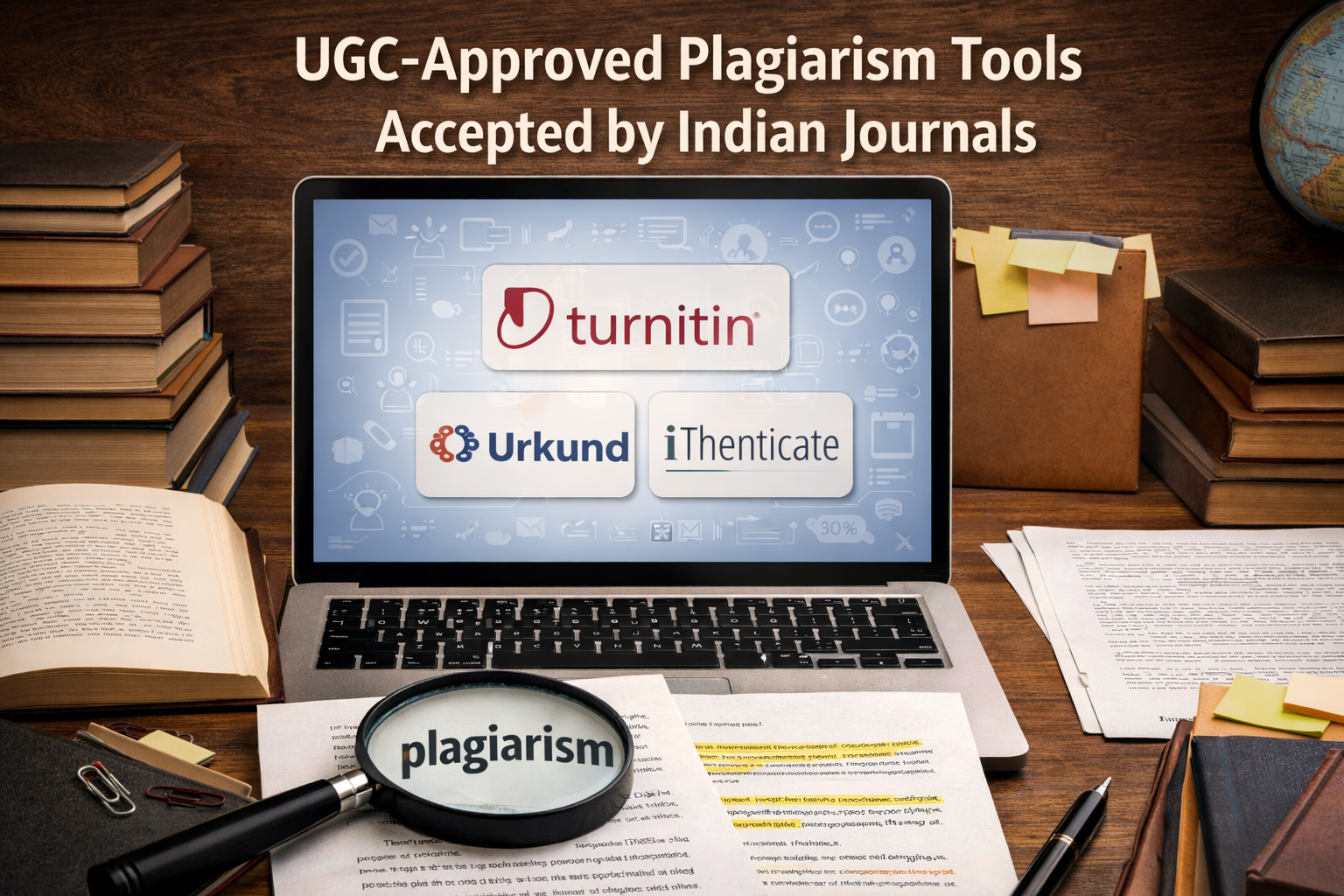
The UGC guidelines recommend that higher education institutions use reliable, advanced plagiarism detection software for thesis and dissertation evaluation. Tools such as Turnitin and Urkund (now known as Ouriginal) are widely used in Indian universities because they have robust databases, advanced detection algorithms, and established credibility. UGC-approved software is often integrated into institutional systems, ensuring that all submissions go through the same checking process for fairness and accuracy.
Why Indian Journals Have Their Own Criteria
While UGC guidelines cover academic institutions, journals — especially Scopus-indexed or UGC CARE-listed ones — may have their own preferred tools. Many Indian journals trust Turnitin, iThenticate, and Urkund, but some accept tools like Plagscan or Grammarly Premium for preliminary checks. However, final checks before publication are almost always done with industry-standard tools that have large, diverse databases. This ensures that both direct and paraphrased plagiarism are caught.
Limitations of Using Unrecognised Tools
Using a free or lesser-known tool might save money, but it can cause serious problems. Many free tools have smaller databases, limited scanning capacity, or outdated algorithms. This means they may miss plagiarism or, worse, give inaccurate reports. If your paper is checked by the journal later using a more advanced tool, a high similarity percentage could appear — even if your own report looked fine. This mismatch can lead to rejection or a demand for extensive revisions.
The Importance of Database Coverage
Recognised tools like Turnitin and iThenticate have massive databases, including published journals, conference papers, books, websites, and even student submissions worldwide. This makes them more effective at detecting similarities that smaller tools miss. UGC’s emphasis on such tools is based on their proven accuracy and global acceptance.
Practical Advice for Research Scholars
If your university offers access to UGC-approved software, always use it for your official plagiarism check. For self-checks during writing, you may use secondary tools like Grammarly Premium or Plagscan, but these should not replace the final official scan. Also, remember to keep the official plagiarism report, as many journals and examiners require it for verification.
Conclusion
For Indian research scholars, using the right plagiarism detection tool is not just about accuracy — it is about credibility, compliance, and acceptance. UGC-approved tools like Turnitin and Urkund remain the gold standard, while iThenticate is highly trusted for journal publications. Avoid relying solely on free or unrecognised tools, as they can create mismatches in results and put your hard work at risk. Choosing the right tool from the start ensures a smoother journey towards thesis submission or journal publication.