
Introduction
For Indian PhD scholars and early-career faculty, academic conferences often appear intimidating, especially when their first experience involves a poster presentation rather than a formal lecture or keynote address. However, growth in academia is incremental, and even small-scale participation lays the foundation for future visibility, confidence, and professional recognition. Poster sessions, workshops, and local seminars provide opportunities to present research, engage with peers, and refine communication skills. Understanding that every conference engagement, no matter how modest, contributes to professional development encourages scholars to approach these events strategically and with patience.
The Value of Poster Presentations
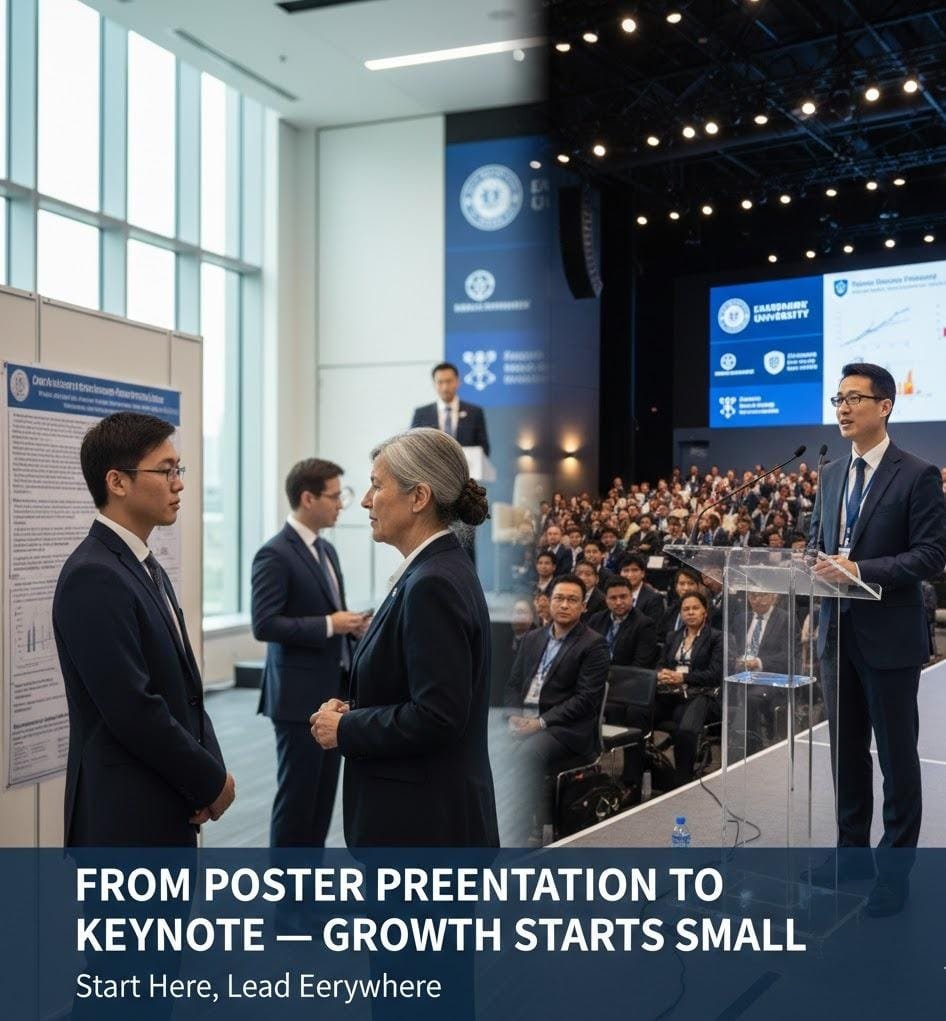
Poster presentations are often the starting point for early-stage researchers. In India, these sessions allow scholars to present ongoing work in a visual, concise format, creating opportunities for direct interaction with peers, senior researchers, and mentors. Unlike oral presentations, poster sessions encourage one-on-one conversations, personalized feedback, and informal discussions about methodologies or findings. This environment helps scholars gain confidence, test research ideas, and receive practical suggestions to improve their work.
Moreover, poster presentations teach essential skills such as summarizing complex research visually, answering spontaneous questions, and explaining findings concisely. These skills form the groundwork for later, more formal presentations. Scholars learn how to communicate effectively to diverse audiences, a competence that remains valuable throughout an academic career.
Progressing to Oral Presentations
As scholars gain experience, they often transition from posters to oral presentations. This progression represents a natural growth trajectory and helps faculty or PhD students in India gradually build public speaking skills. Oral presentations require more preparation, structured delivery, and audience engagement, allowing researchers to develop professional poise and confidence.
The process of preparing for oral presentations deepens understanding of one’s own research. Explaining methods, results, and implications clearly encourages critical reflection and strengthens argumentation. Audience questions provide feedback that can refine future projects, enhancing both the quality of research and the scholar’s presentation abilities.
Networking and Mentorship Opportunities
Moving from poster sessions to oral presentations also expands networking potential. While posters offer intimate, small-scale interactions, oral presentations expose researchers to larger audiences, including senior scholars, potential collaborators, and funding bodies. For Indian academics, these interactions are particularly important for establishing visibility beyond their institution. Conferences often lead to mentorship opportunities, co-authorships, or invitations to participate in collaborative projects, all of which contribute to long-term career growth.
Keynote Speaking as a Milestone
The ultimate goal for many academics is to deliver keynote speeches or plenary sessions. This level of participation reflects recognition of expertise, leadership, and significant contribution to a field. Achieving keynote status is the result of years of consistent conference involvement, scholarly output, and network-building. Indian faculty who progress from posters to keynote presentations demonstrate growth in visibility, credibility, and academic impact. Each stage, from small presentations to major addresses, represents an important learning and professional development opportunity.
Strategic Growth in Conferences
For scholars aiming to progress from poster sessions to keynotes, strategic planning is essential. Selecting conferences relevant to research areas, preparing presentations carefully, and engaging thoughtfully with peers maximizes learning and impact. Attending both national and international conferences helps scholars understand global trends, receive diverse feedback, and build a professional profile that reflects both regional expertise and international awareness.
Incremental growth also fosters resilience and adaptability. Indian PhD students and early-career faculty often face resource constraints or institutional limitations. Gradual participation allows researchers to develop skills, confidence, and professional connections in manageable steps, preparing them for more demanding roles and responsibilities in academia.
Conclusion
Academic growth is a journey that begins with small steps, and conference participation reflects this progression. For Indian PhD scholars and faculty, poster presentations, workshops, and local seminars provide the foundation for oral presentations and eventually keynote addresses. Each stage teaches valuable skills, builds confidence, and expands professional networks. By recognizing the significance of incremental growth and approaching conferences strategically, scholars can transform early participation into a long-term trajectory of visibility, credibility, and professional recognition. Success in academia is rarely instant; it emerges through consistent engagement, reflection, and gradual development, one conference at a time.