IntroductionFor many PhD scholars in India, especially in private universities, plagiarism checks are a standard part of thesis submission. But one question often arises—should...
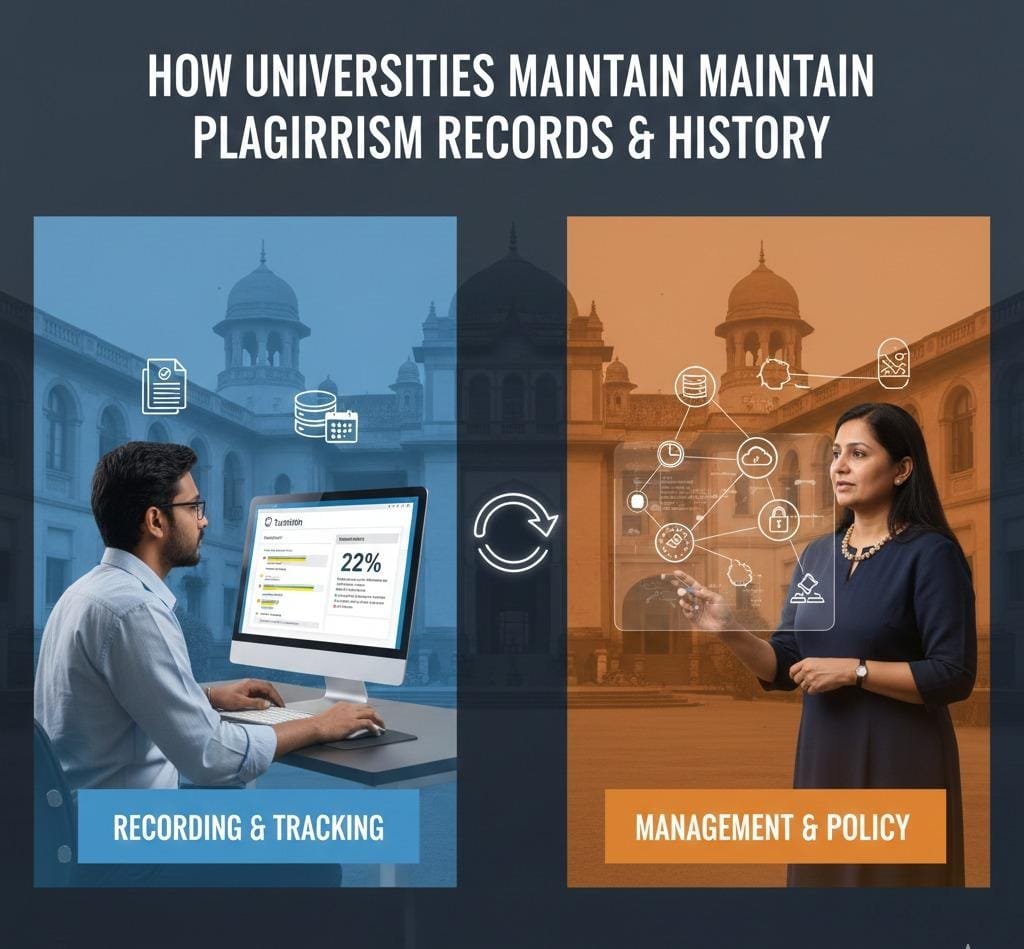
Introduction In Indian higher education, plagiarism management goes far beyond generating a similarity percentage. Universities—especially private institutions offering doctoral programmes—follow structured systems to record,...
IntroductionIn Indian universities, particularly in private institutions, plagiarism detection is no longer just a student responsibility — it’s also an academic obligation for faculty....
The National Education Policy (NEP) 2020 has brought transformative reforms to Indian higher education, aiming to make it more flexible, research-oriented, and globally competitive....
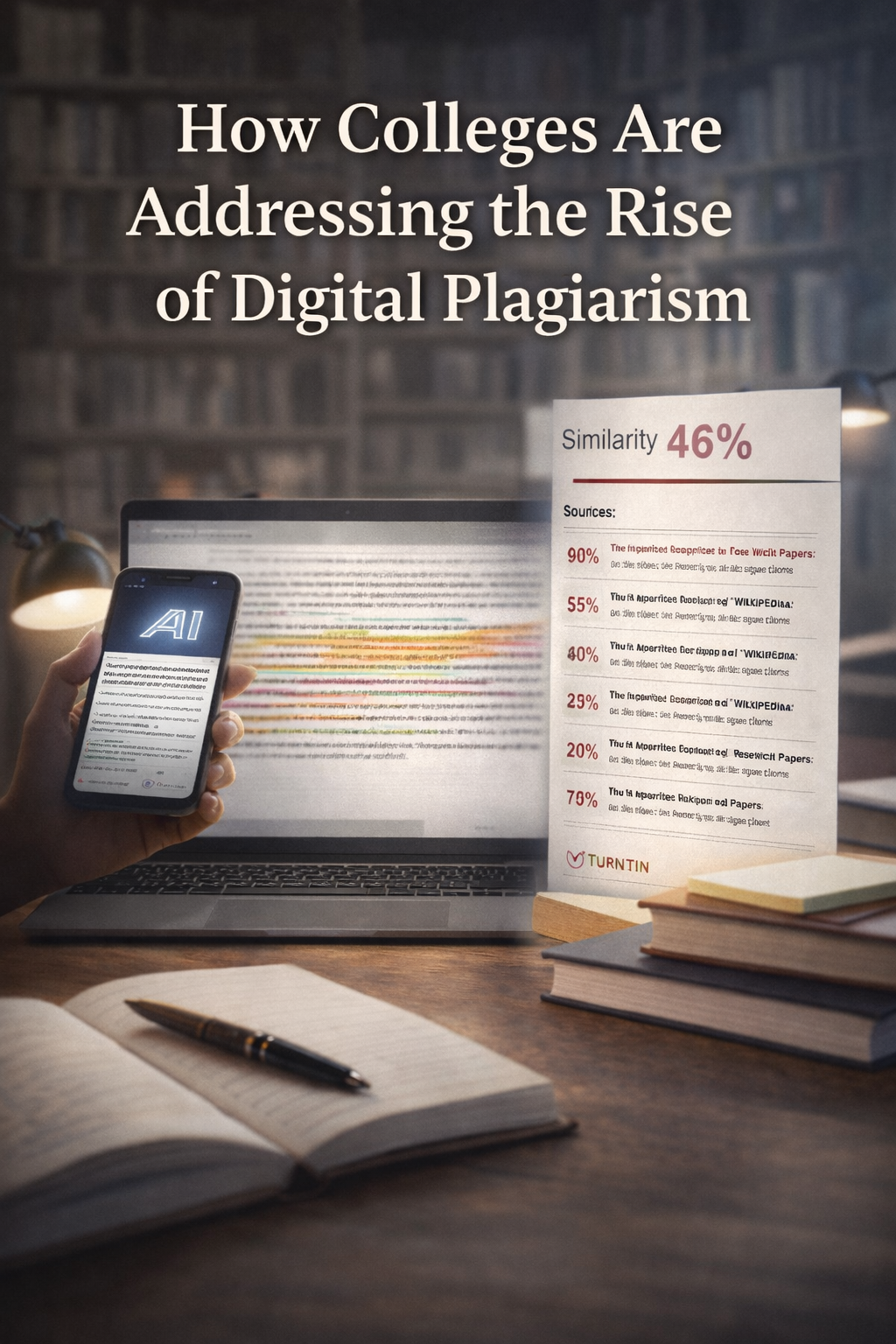
IntroductionThe internet has changed how students access and use information, making research faster and more convenient. However, it has also given rise to a...
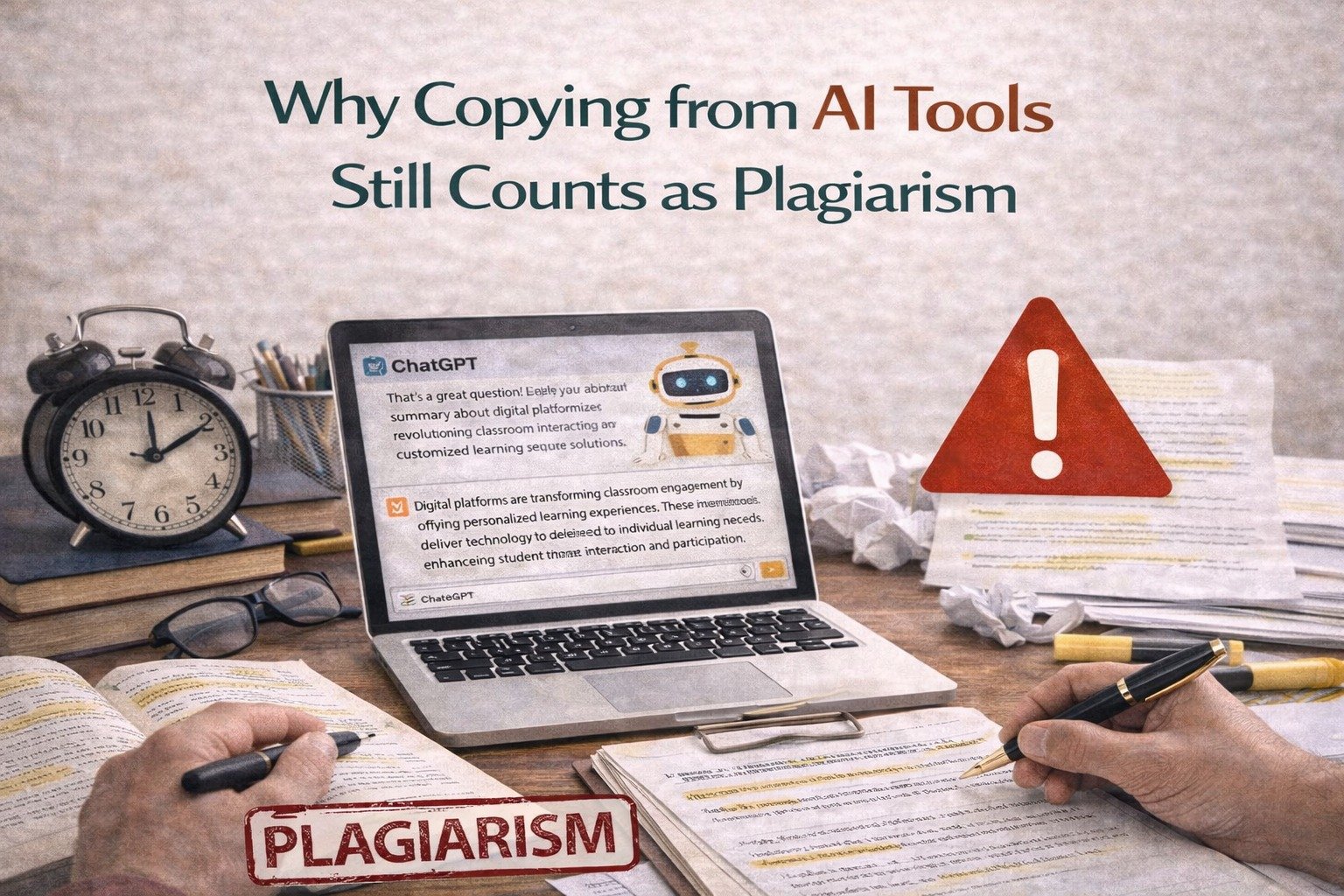
IntroductionIn recent years, AI writing tools have transformed the way students and researchers create content. From drafting essays to summarising articles, these tools promise...
IntroductionIn today’s interconnected academic world, research is not limited by language. Scholars in India often refer to studies published in other languages, just as...
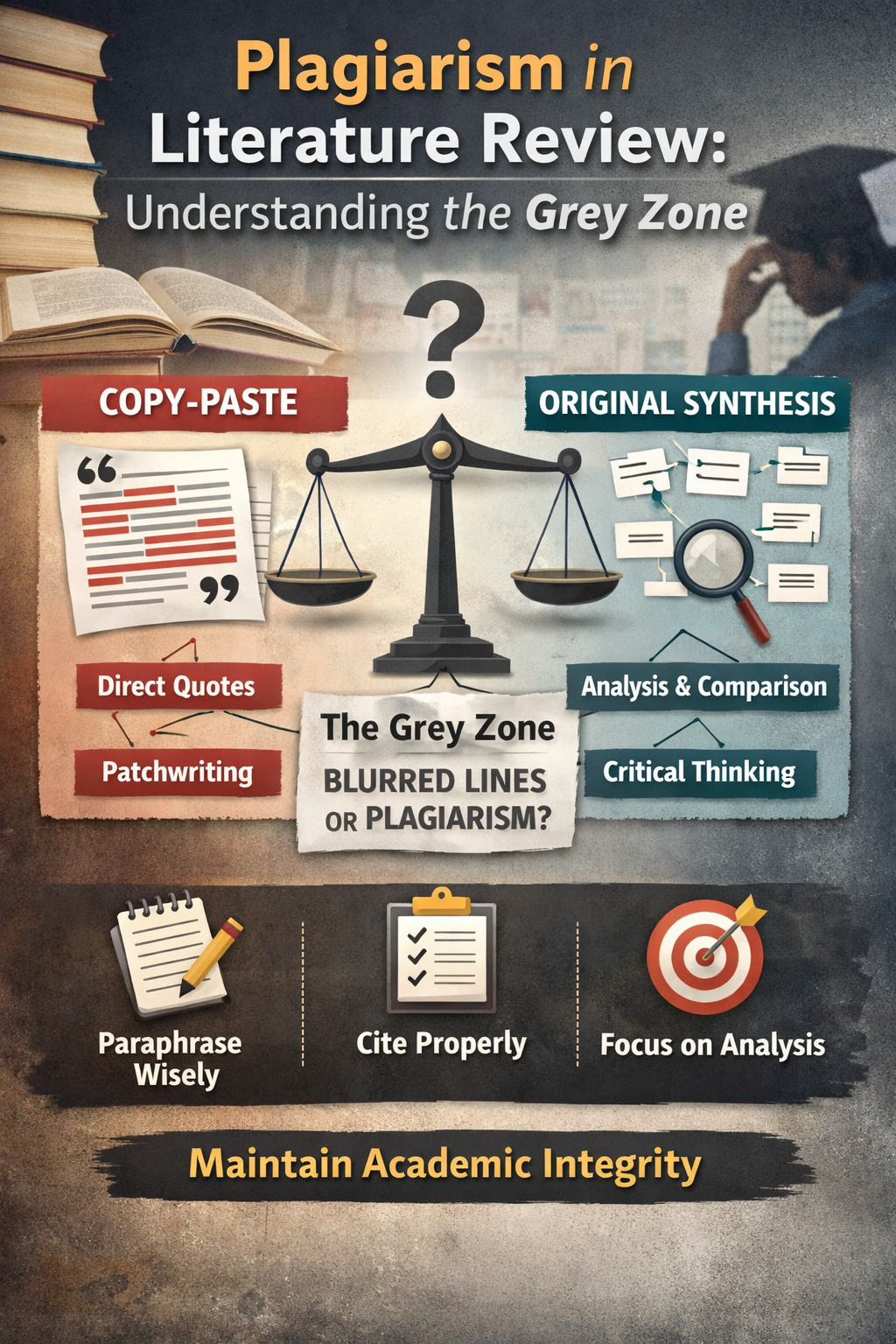
Plagiarism in Literature Review: Why It’s a Grey Zone IntroductionFor many research scholars, the literature review is the first major section of their thesis...
IntroductionPlagiarism is often discussed as a student’s responsibility, but in reality, preventing it is a shared duty between students, faculty, and institutions. In India’s...
IntroductionPlagiarism has long been a concern in academic circles worldwide, but the way it is defined, monitored, and penalised can vary greatly between countries....