
Introduction
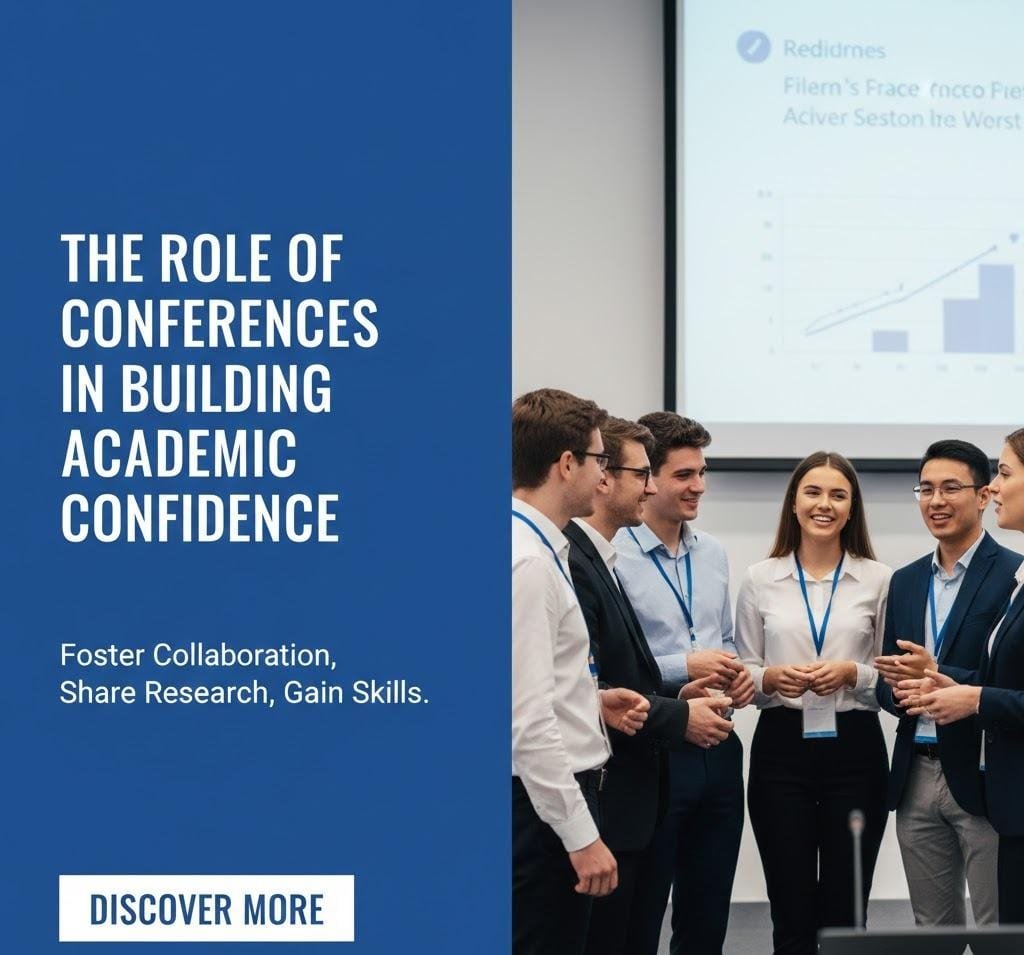
For many Indian PhD scholars, pursuing doctoral research can feel isolating. Long hours in libraries, labs, or home offices often create a sense of working in a vacuum, with minimal interaction beyond supervisors or peers. In this context, conferences emerge as vital spaces for both validation and growth. Attending and presenting at conferences allows scholars to engage with a wider academic community, test their ideas, and develop the confidence necessary to navigate the demands of research, publications, and future career milestones. Understanding how these experiences contribute to academic confidence is essential for doctoral students and early-career researchers alike.
Conferences as Platforms for Feedback
Presenting at a conference exposes research to critical evaluation by a diverse audience. For Indian PhD candidates, receiving constructive feedback from scholars outside their home institution can be eye-opening. A student presenting on urban education policy, for instance, may hear perspectives from economists, sociologists, and policy experts, highlighting both strengths and areas for improvement. This feedback not only refines the research but also reinforces the scholar’s ability to defend and articulate their work. Each successful presentation, question handled, or discussion engaged in builds a sense of competence and self-assurance that carries over to thesis writing, publications, and viva examinations.
Skill Development and Communication
Conferences demand clear communication of complex ideas. Preparing a presentation requires condensing months of research into coherent slides or a concise talk, while engaging with the audience hones verbal articulation. For Indian scholars, this skill development is particularly important, as academic writing and oral communication are often tested in multiple forums, from university evaluations to seminars and panel discussions. Over time, repeated practice at conferences equips scholars with the confidence to explain concepts, defend methodologies, and interact professionally with senior academics, both nationally and internationally.
Networking and Peer Recognition
Another crucial factor in building confidence is recognition by peers and experts. Conferences provide opportunities to meet scholars working in similar areas, exchange ideas, and even initiate collaborations. For PhD students in private universities or less-established institutions, these interactions offer external validation, showing that their research holds relevance beyond their own campus. Such acknowledgment is particularly motivating in India, where academic progress is closely observed by supervisors, family, and colleagues, and visible recognition reinforces a scholar’s sense of competence and belonging in the research community.
Exposure to Emerging Trends and Broad Perspectives
Conferences also broaden horizons, exposing participants to current debates, interdisciplinary approaches, and innovative methodologies. Engaging with cutting-edge research enhances both knowledge and confidence, as scholars gain a sense of how their work contributes to larger conversations in their field. For Indian researchers, particularly those balancing professional commitments or pursuing doctoral studies mid-career, this exposure reassures them that their research is not insular but part of a dynamic, evolving academic ecosystem.
Overcoming Challenges
It is natural for first-time presenters to feel nervous or hesitant. Language barriers, public speaking anxiety, or fear of critique can be daunting. However, repeated participation gradually mitigates these concerns. Each session attended, question answered, or discussion joined strengthens resilience and self-efficacy. Even online conferences contribute meaningfully, as scholars practice articulating ideas in virtual spaces, interacting with participants, and defending their research effectively.
Conclusion
Conferences serve as more than venues for presenting research; they are laboratories for building academic confidence. For Indian PhD scholars, they provide validation, skill development, and peer recognition, all of which reinforce competence and professional identity. Every presentation, discussion, or interaction contributes to a scholar’s ability to navigate academic challenges with assurance. In the long journey of doctoral research, conferences remind scholars that their work has value, their voice is heard, and their presence matters within the wider academic community.